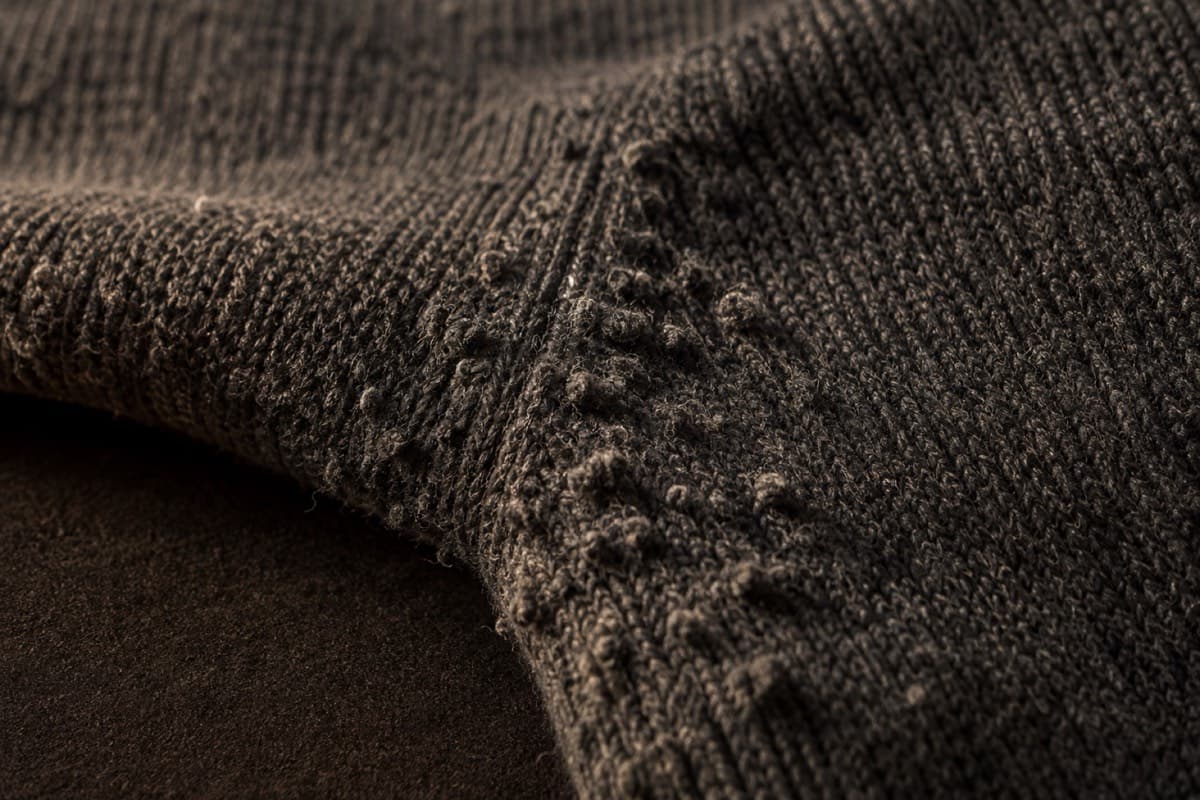
It pills
Fibre ends work loose wherever something rubs. We photograph the underarm rather than the shoulder, and we print the grade and the test that produced it.
Shaped knitwear · Prices in USD
We list the yarn count, the ply and the micron. Then we list what will still pill, itch, felt and get eaten by moths.
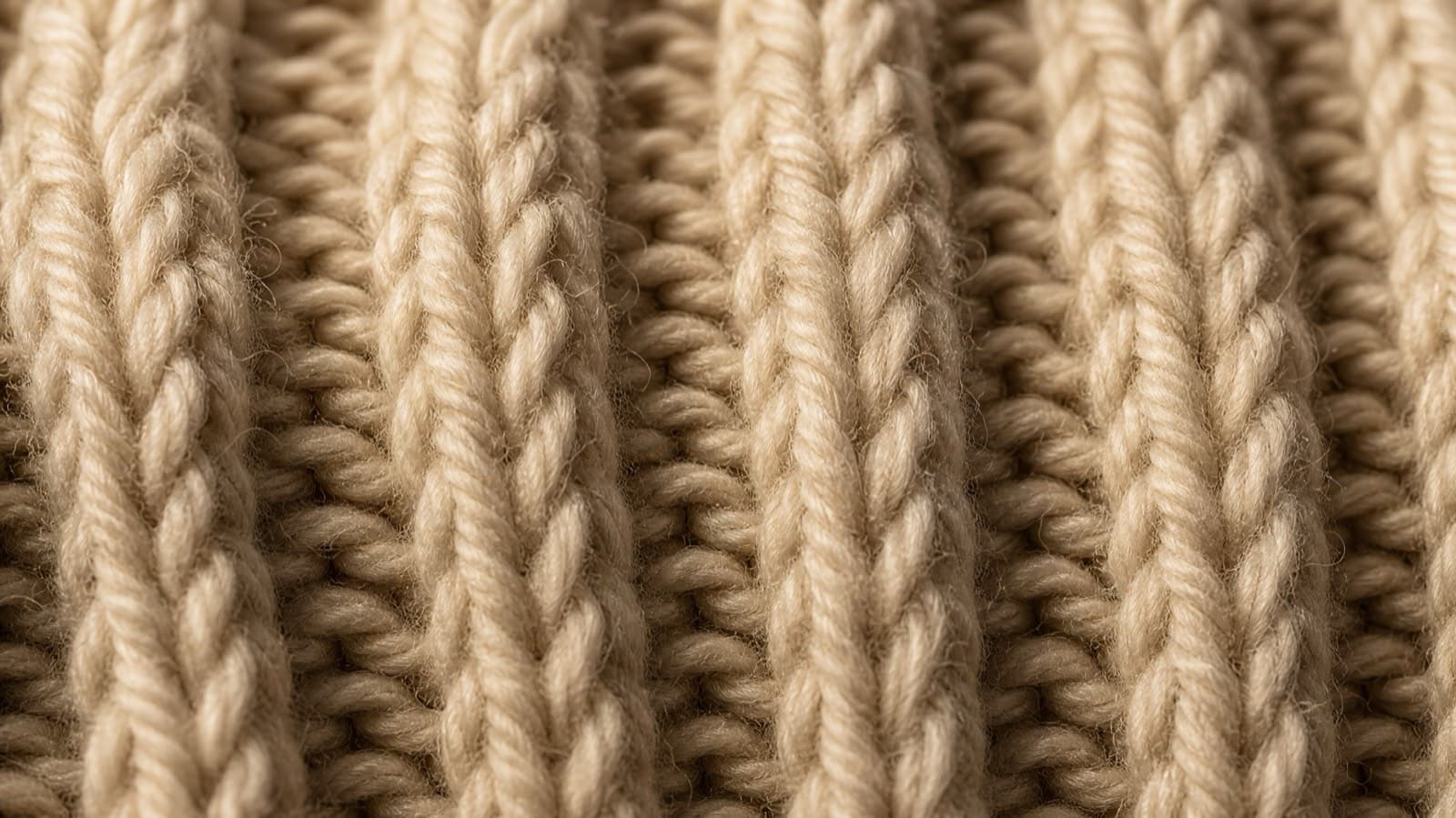
Knit and purl columns fold against each other, so it pulls in and springs back.
The difference this whole shop is built on
Most knitwear is made the way a t-shirt is made: a machine knits a long roll of fabric, a cutter cuts panels out of it, and a sewing machine joins them. Every edge is a raw cut held together by thread.
A shaped knit is different. Each panel is knitted to its final outline — increasing and decreasing stitches to make the armhole, the shoulder, the sleeve taper — and then the finished edges are joined to each other. Nothing is cut. Nothing frays.
It takes longer, it wastes less yarn, and it is why the shoulder line is still where it started after a year.
this is also why the ply and the yarn count matter more here than the fabric weight
Cut and sewn
Measured in grams per square metre. A weight, because the fabric came off a roll.
Shaped knitting
Measured in yarn count and ply. A structure, because the yarn became the garment directly.
Yarn Explorer
Drag each one up to what you actually need. Every yarn that cannot meet it drops out, and says exactly why.
Fibre type and how many plies are in the yarn.
2 yarns are out because of this one.
Mean fibre diameter in microns. Lower is softer against skin.
2 yarns are out because of this one.
Abrasion resistance of the fibre, and whether nylon is blended in.
1 yarn is out because of this one.
Whether it takes a wool machine cycle, and how easily it felts.
Nothing is dropping out on this axis.
8 of 13 yarns still qualify.
The finest wool we knit. Most people who say wool itches do not feel this one, but you pay for that in thickness and in wear.
The middle of everything, which is why most of the range is knitted in it. Nothing about it is extreme.
Four plies of the same 18.5 μm fibre. The warmest thing here that is not cashmere.
Thirty percent cashmere by weight, seventy percent merino. We print both numbers because a blend without numbers tells you nothing.
Fifteen percent cashmere is enough to change how it feels and not enough to make it delicate.
A quiet sheen and a smooth drape, bought at the price of snagging.
A four-season weight. Half the warmth of pure wool and half the fuss.
Hairier and heavier than wool, and warmer than its weight suggests. It sheds. Dark trousers will show it.
Lambswool drops out: at 24 μm most people feel it. If you are sensitive on the neck, do not start here.
Cashmere drops out: it is the least abrasion-resistant fibre on this site. Bag straps and desk edges will show first.
Also short on care ease.
Cotton drops out: it is a plant fibre with no crimp. It does not trap air the way wool does.
Cotton-linen drops out: it is knitted open on purpose, for summer. It is the coolest thing we make.
Also short on softness.
Wool 80 / nylon 20 drops out: 21 μm wool plus nylon reads firm and a little wiry on the neck.
On every wool piece, in the same four rows
Two of these appear on most knitwear sites. The other two almost never do. All four appear on every wool product page here, and a piece cannot go on sale without them.
Fibre ends work loose wherever something rubs. We photograph the underarm rather than the shoulder, and we print the grade and the test that produced it.
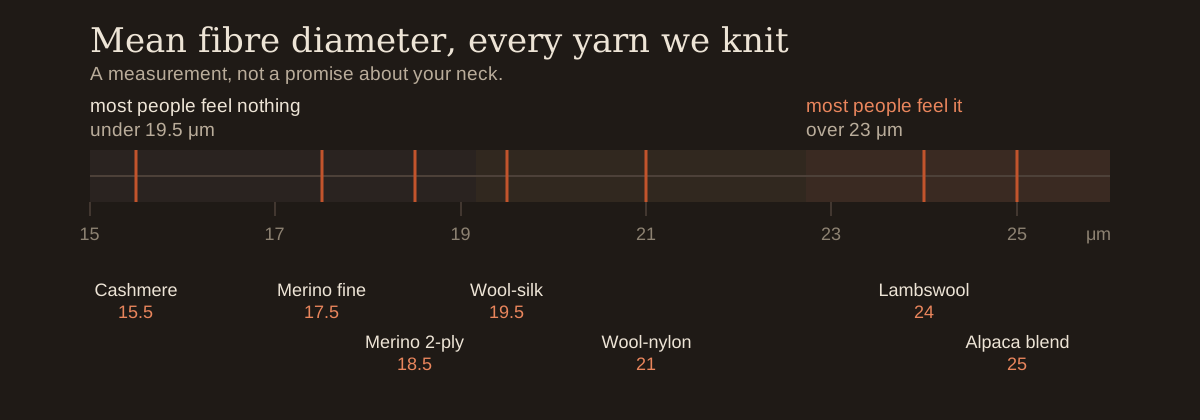
Every wool piece carries its mean fibre diameter in microns. Below about 19.5 μm most people feel nothing. Above about 23 μm most people do.
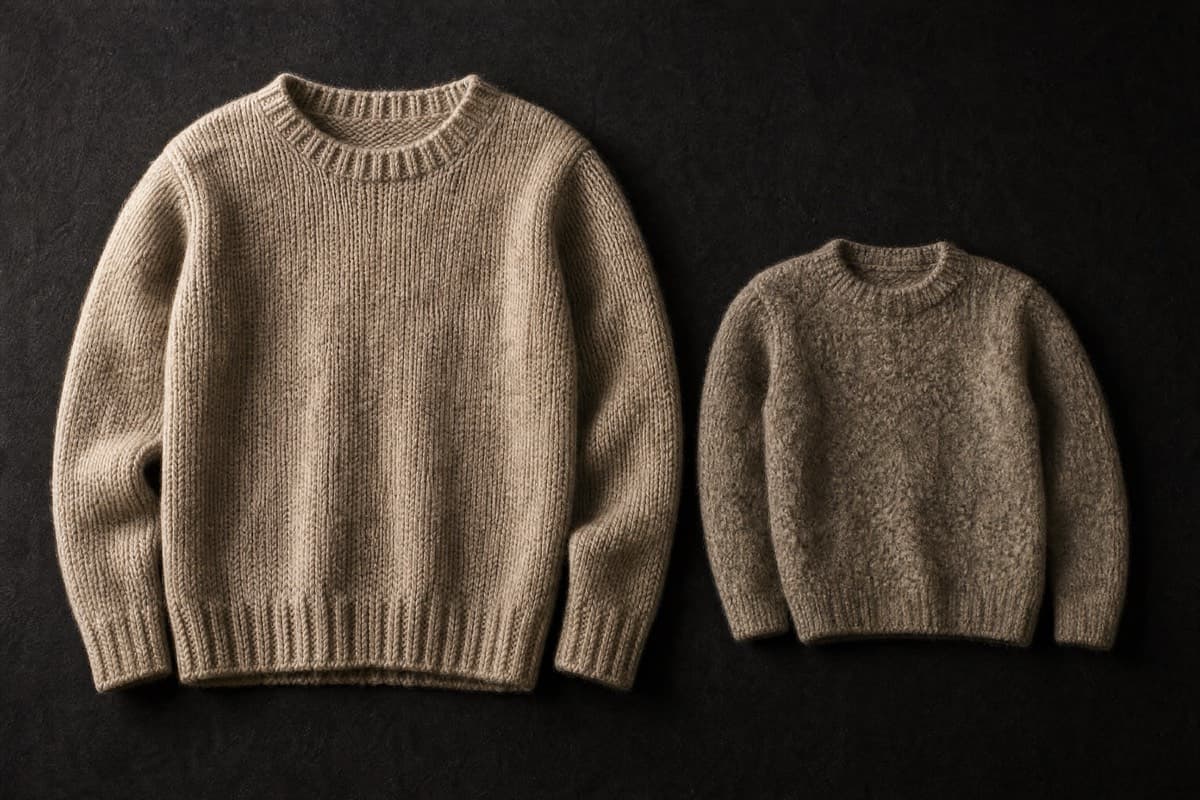
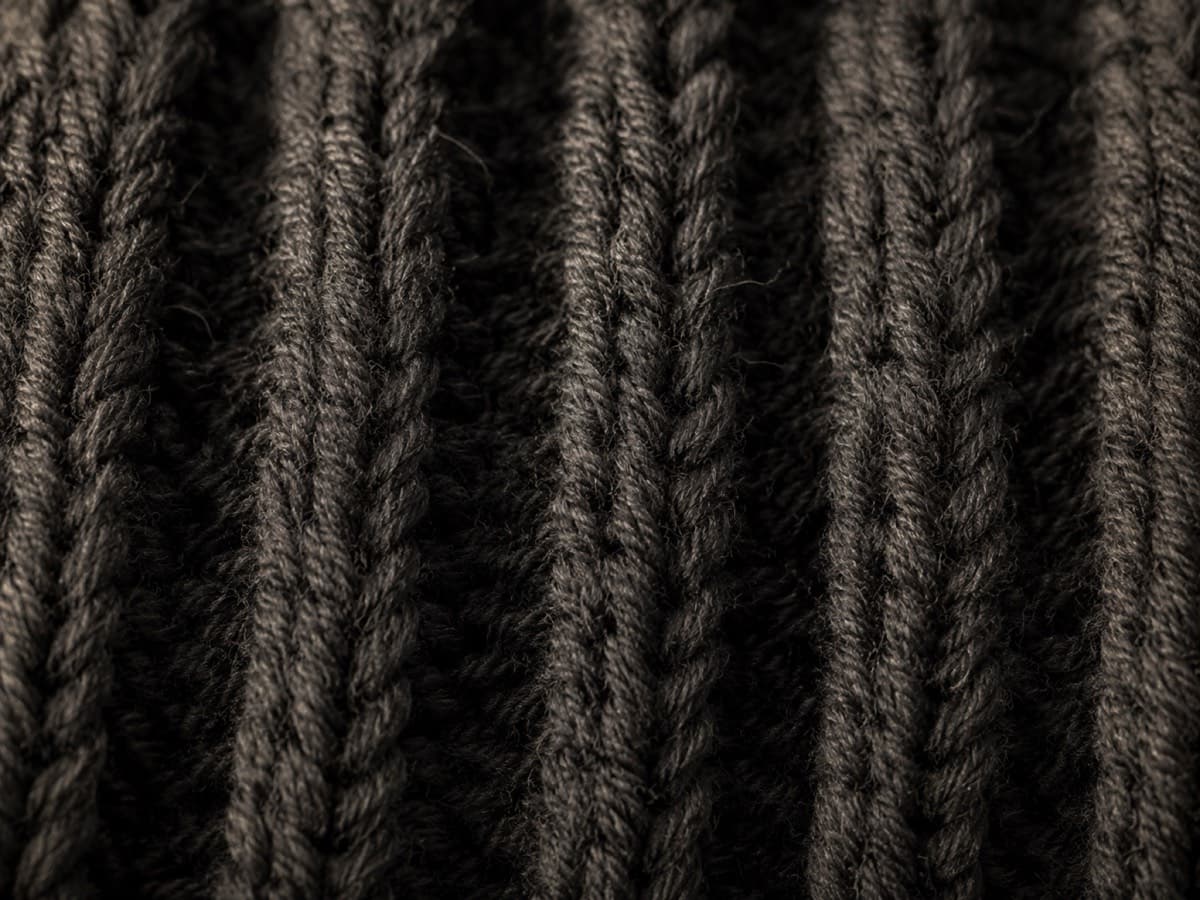
Heat and agitation shrink wool permanently. The photograph on the right went through a 60 °C wash. That is not a defect, it is what happens.
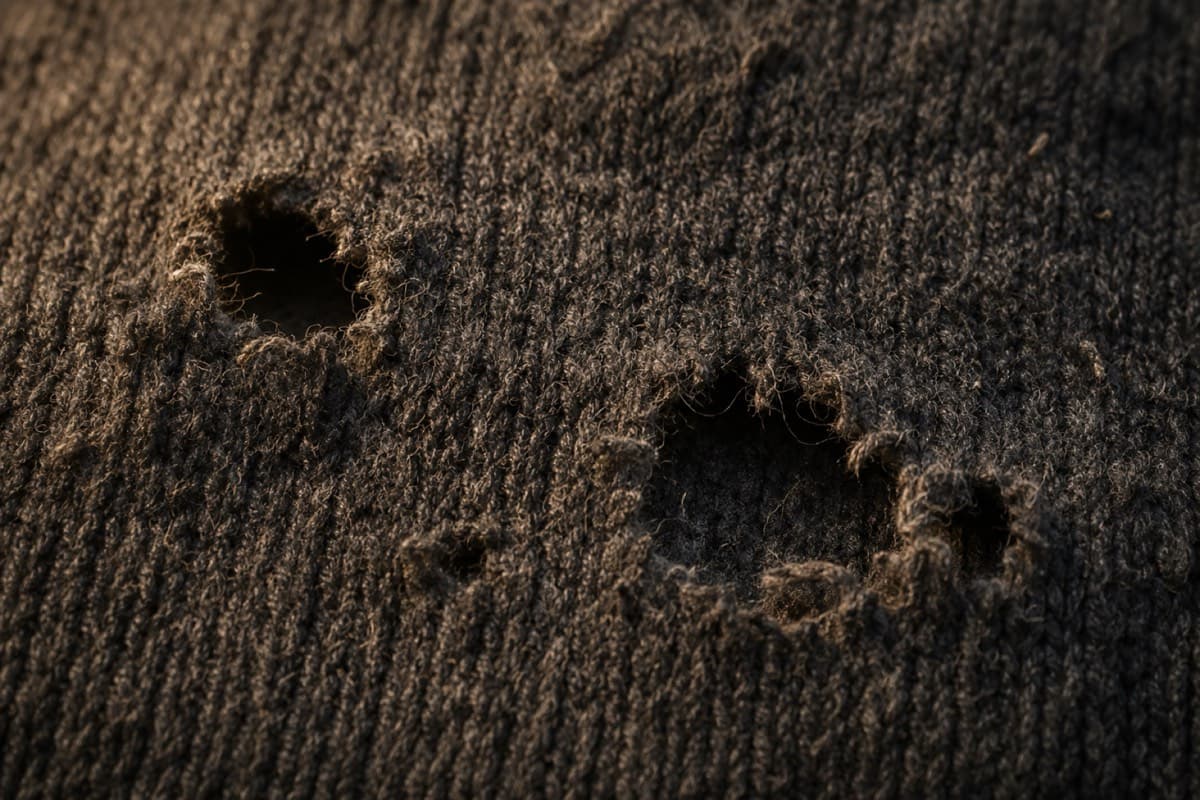
Wool is a protein. Clothes moth larvae eat it. Almost nobody in this trade shows you this photograph, which is precisely why we do.
Six lines, organised by yarn
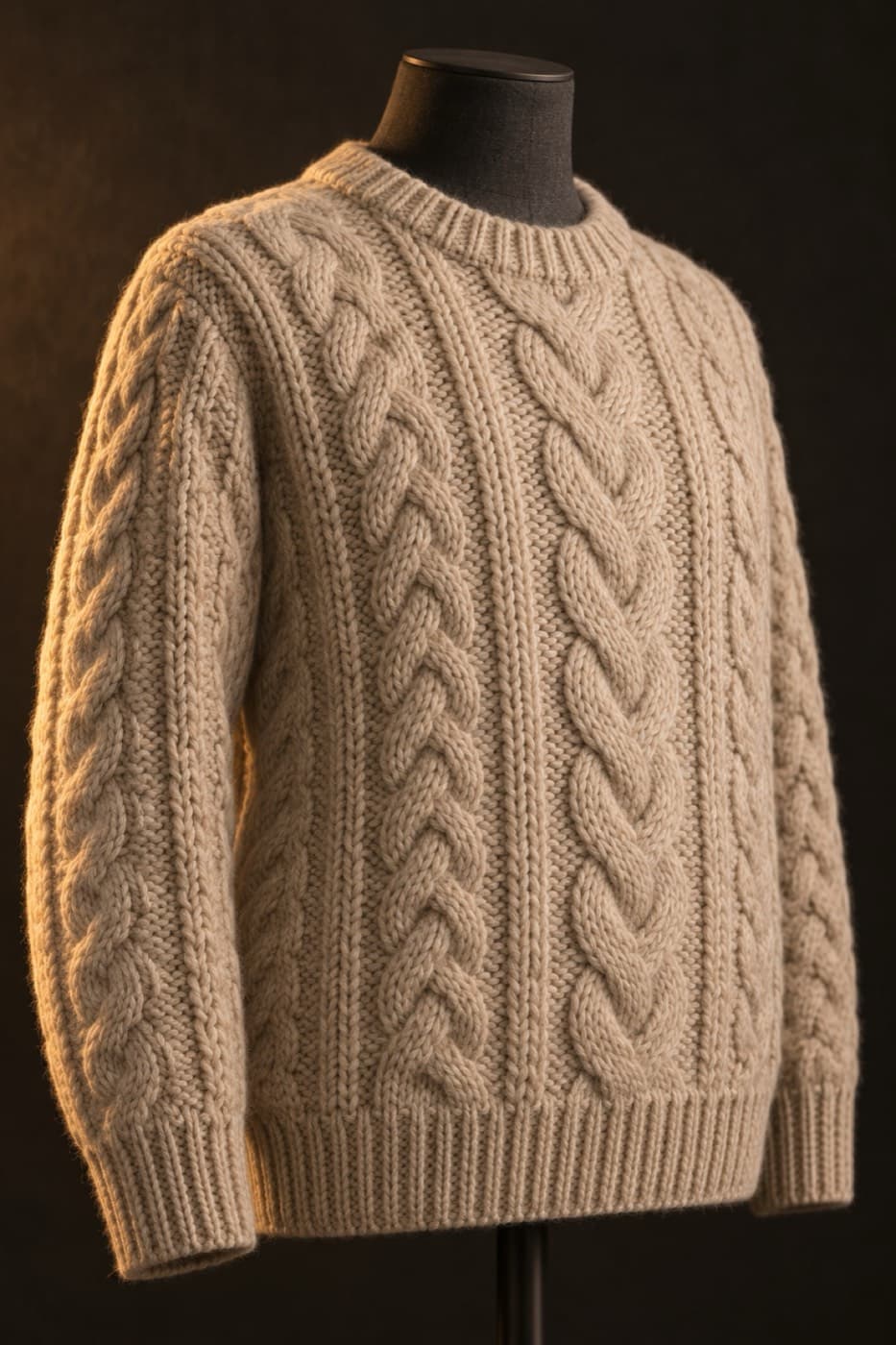
Single and two ply, 17.5 to 18.5 μm
The band of wool fine enough that most people stop noticing it.
USD 78 – 186
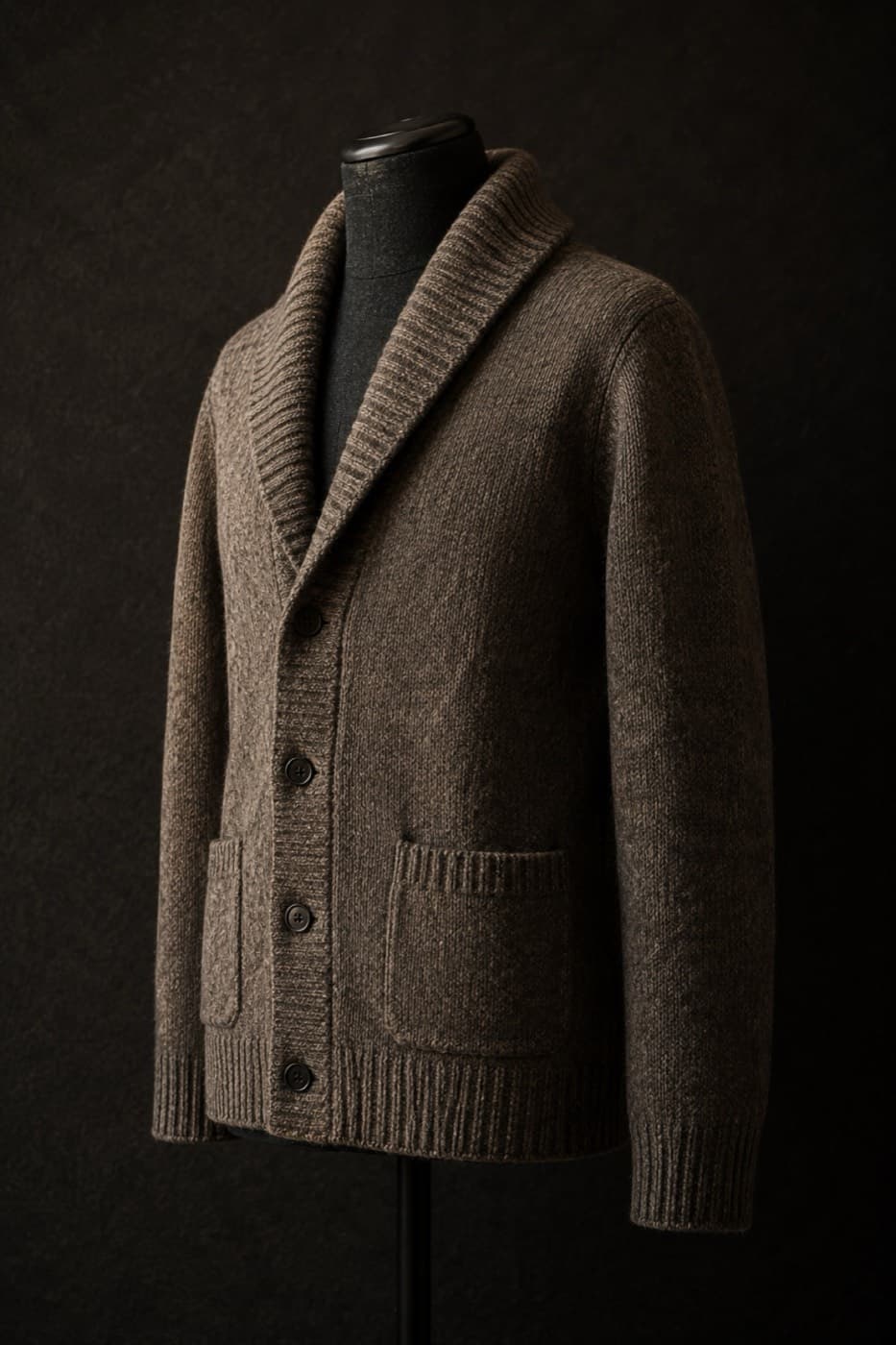
24 μm, lofty and spun soft
The most warmth per dollar on this site, and the first to pill.
USD 68 – 148
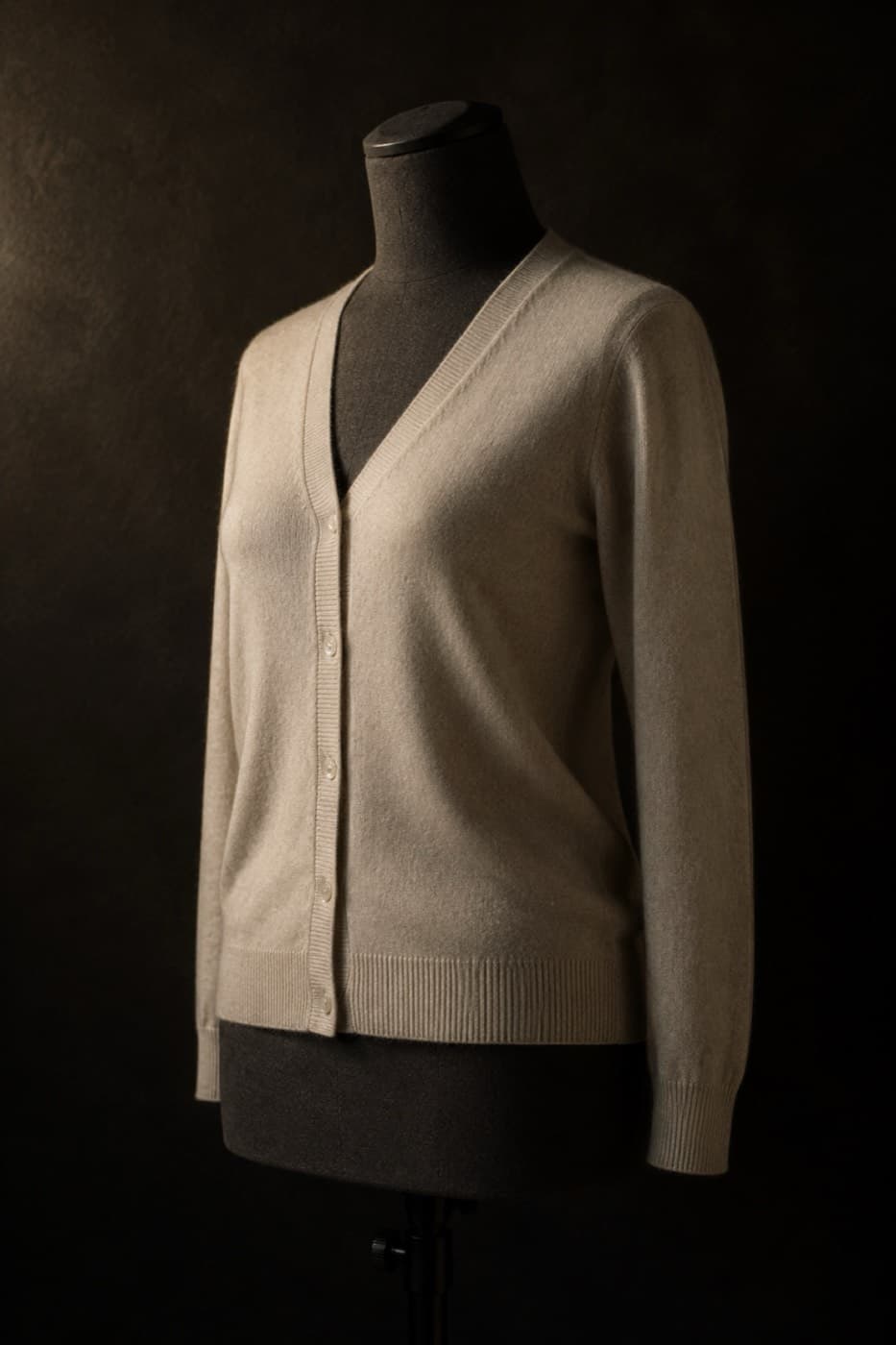
15.5 μm, content stated per piece
The softest fibre here, and the one that wears out first.
USD 168 – 428
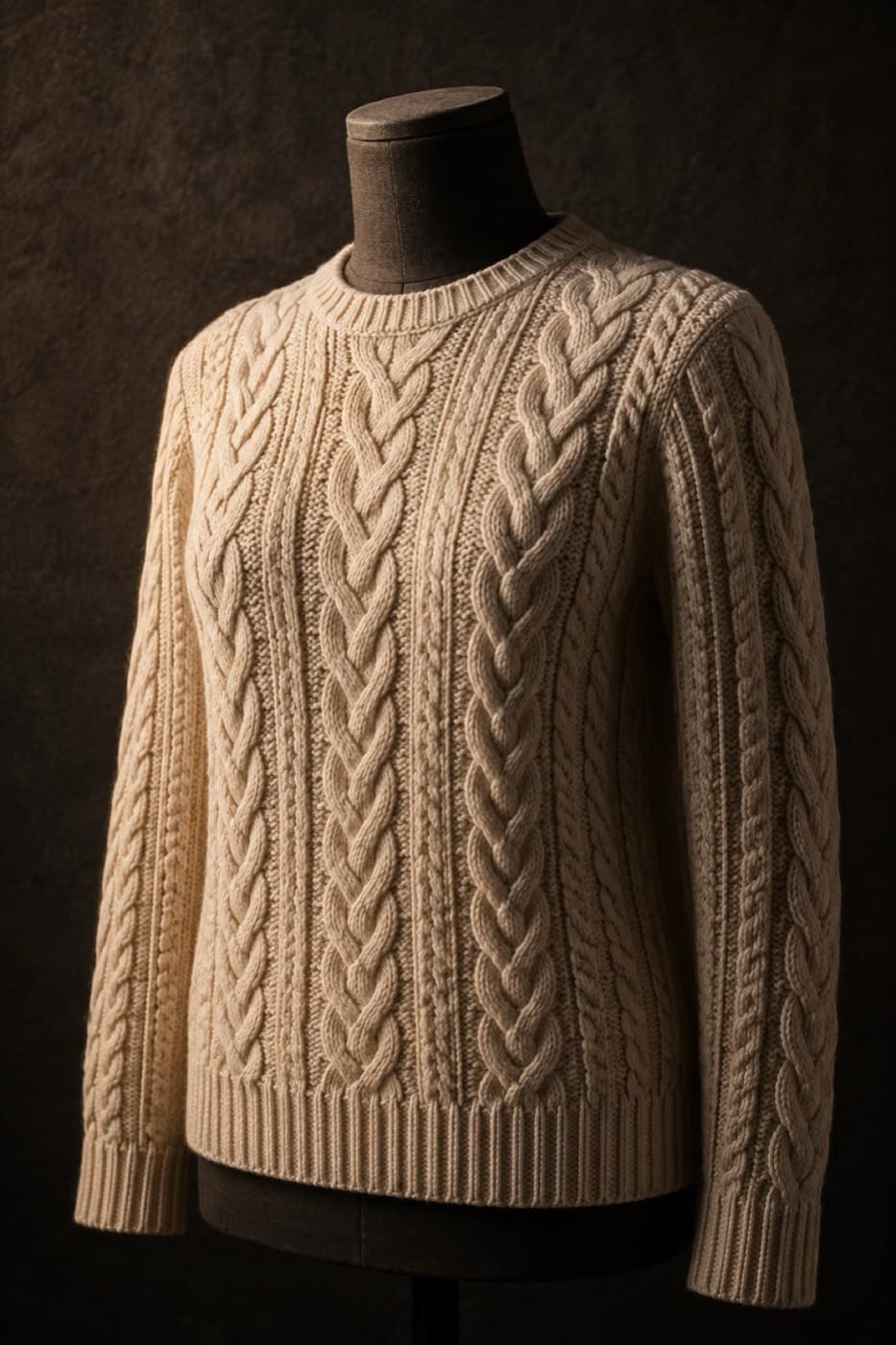
Combed cotton and cotton-linen
No animal fibre. Nothing to felt, nothing for moths to eat.
USD 62 – 138
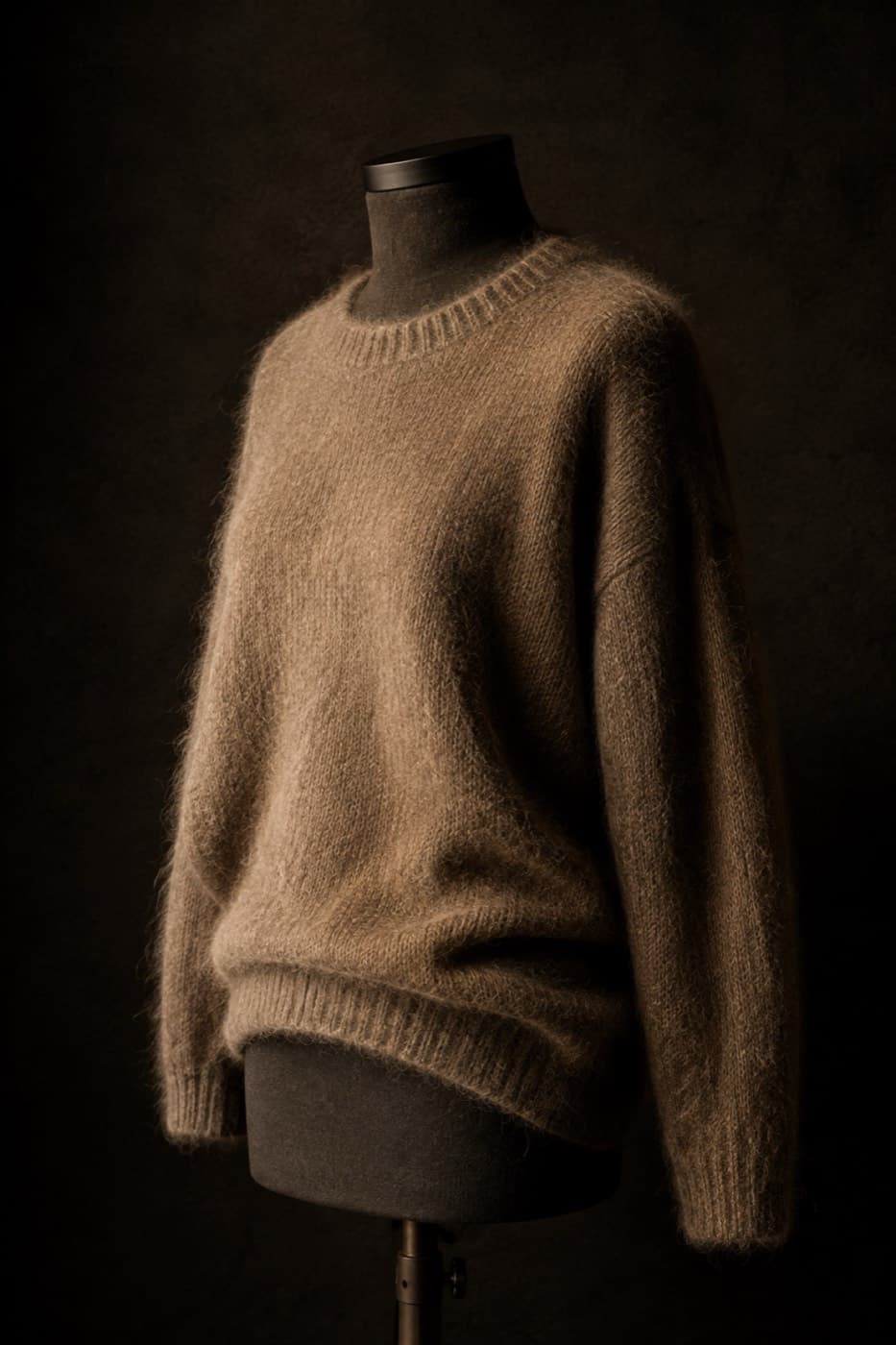
Wool with nylon, silk, cotton, cashmere, alpaca
Every blend buys one property and sells another. We print both.
USD 74 – 168
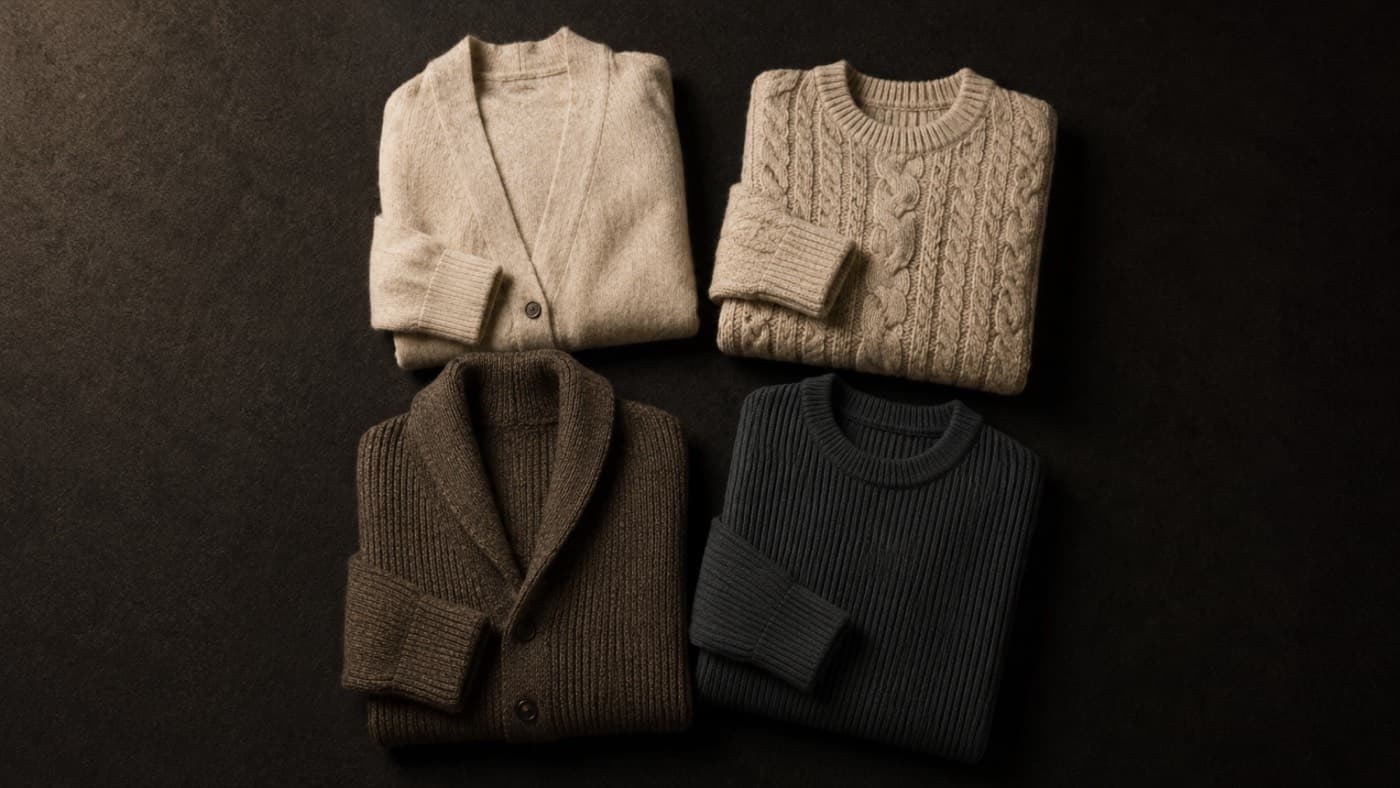
Built for layering, priced below the parts
Pieces that were designed to sit on top of one another.
USD 168 – 588
A cross-section
The softest, the sensible blend, the biggest, the toughest, the summer one, and the warmest thing we knit.
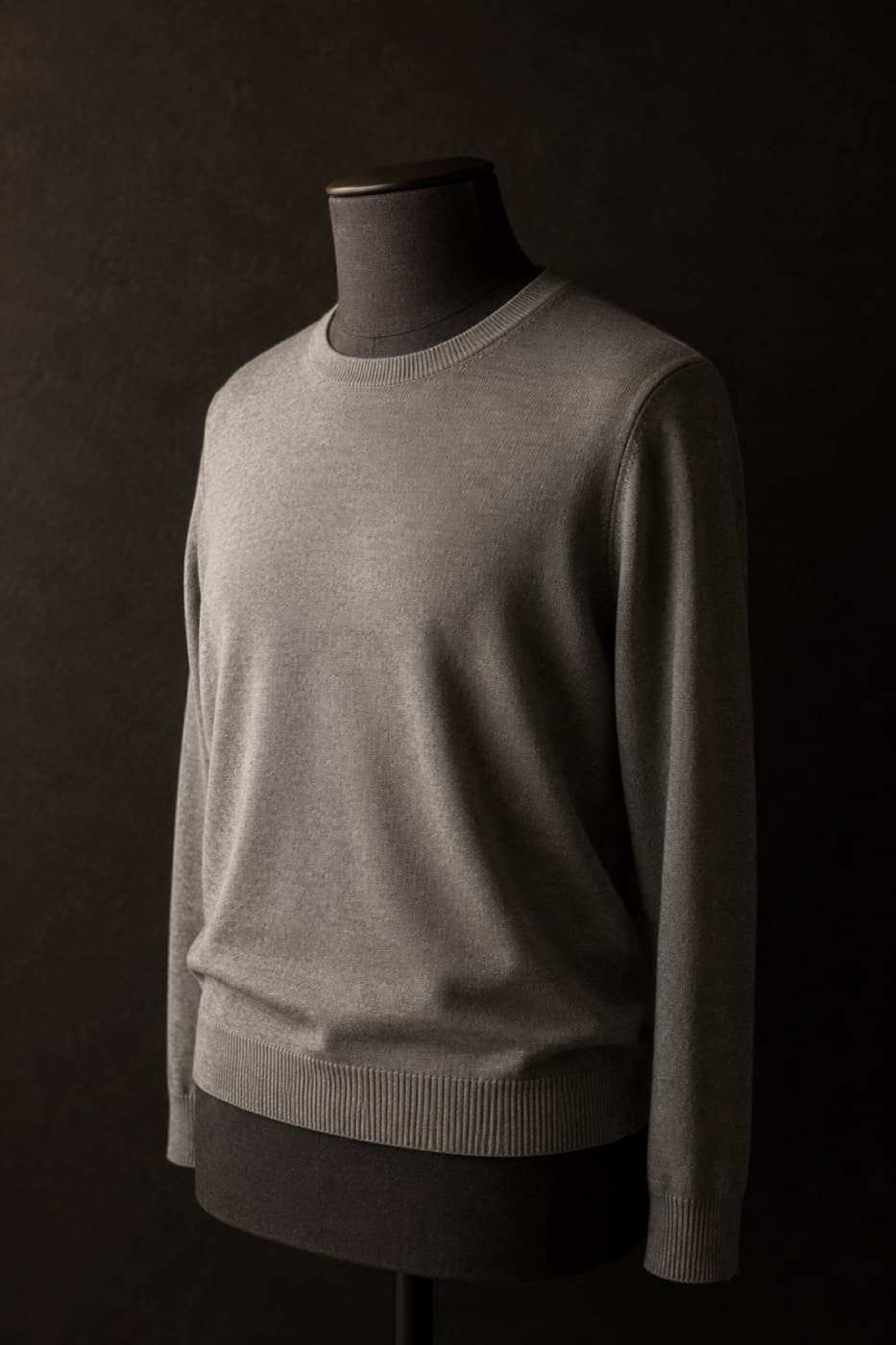
USD 108
The least itchy piece on the site that is not cashmere
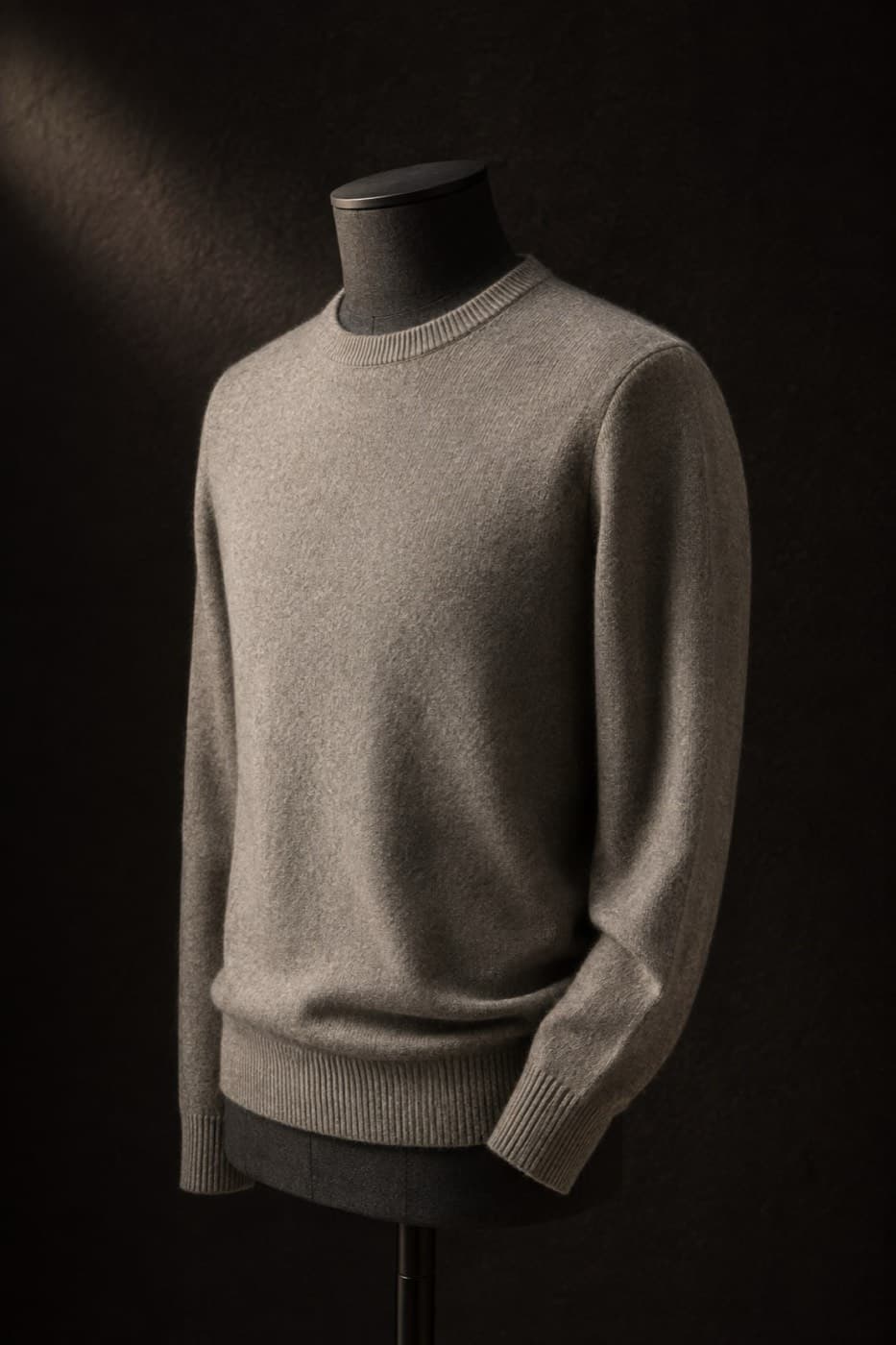
USD 168
The percentage is in the name for a reason
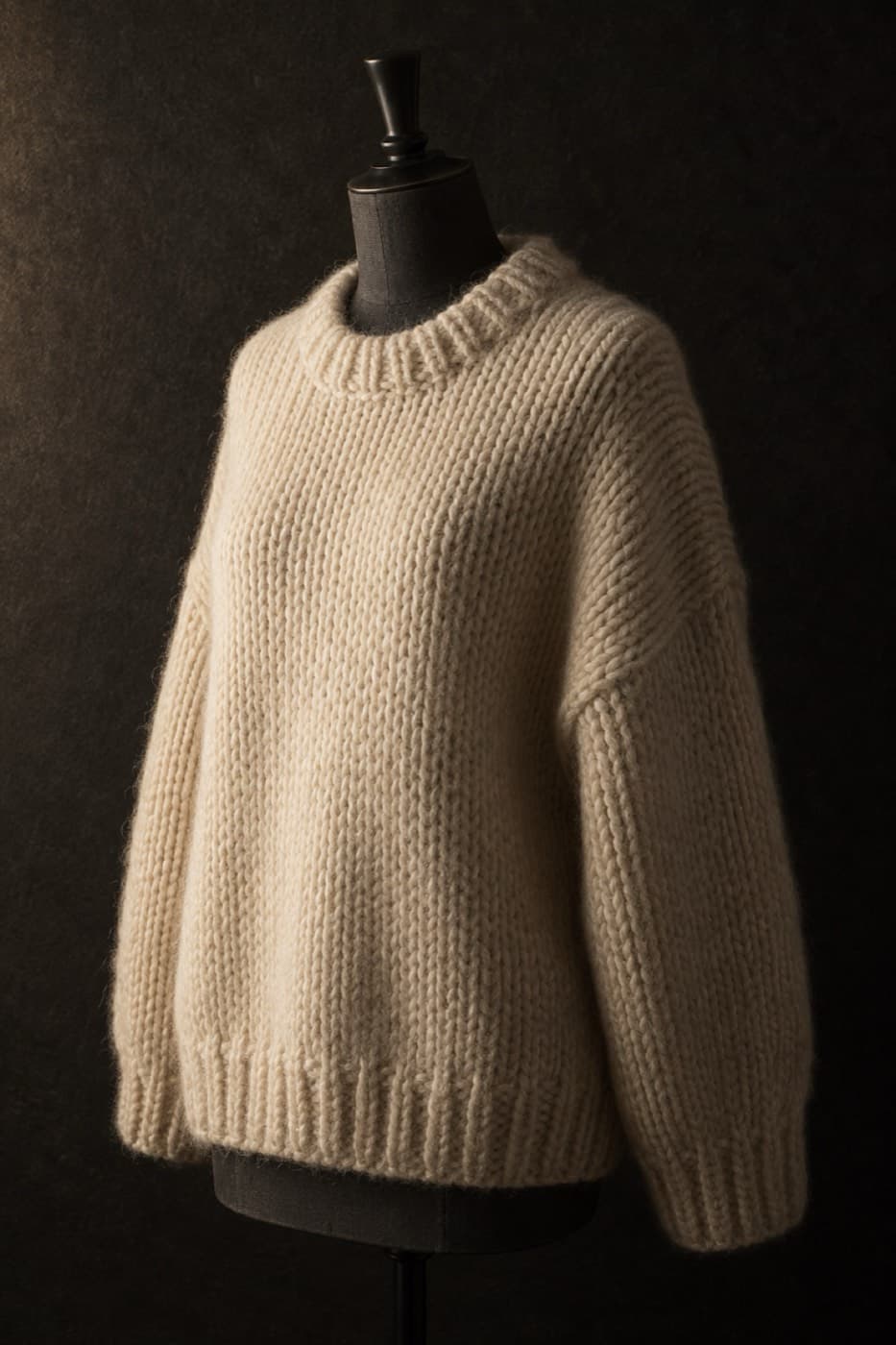
USD 148
The most volume for the money
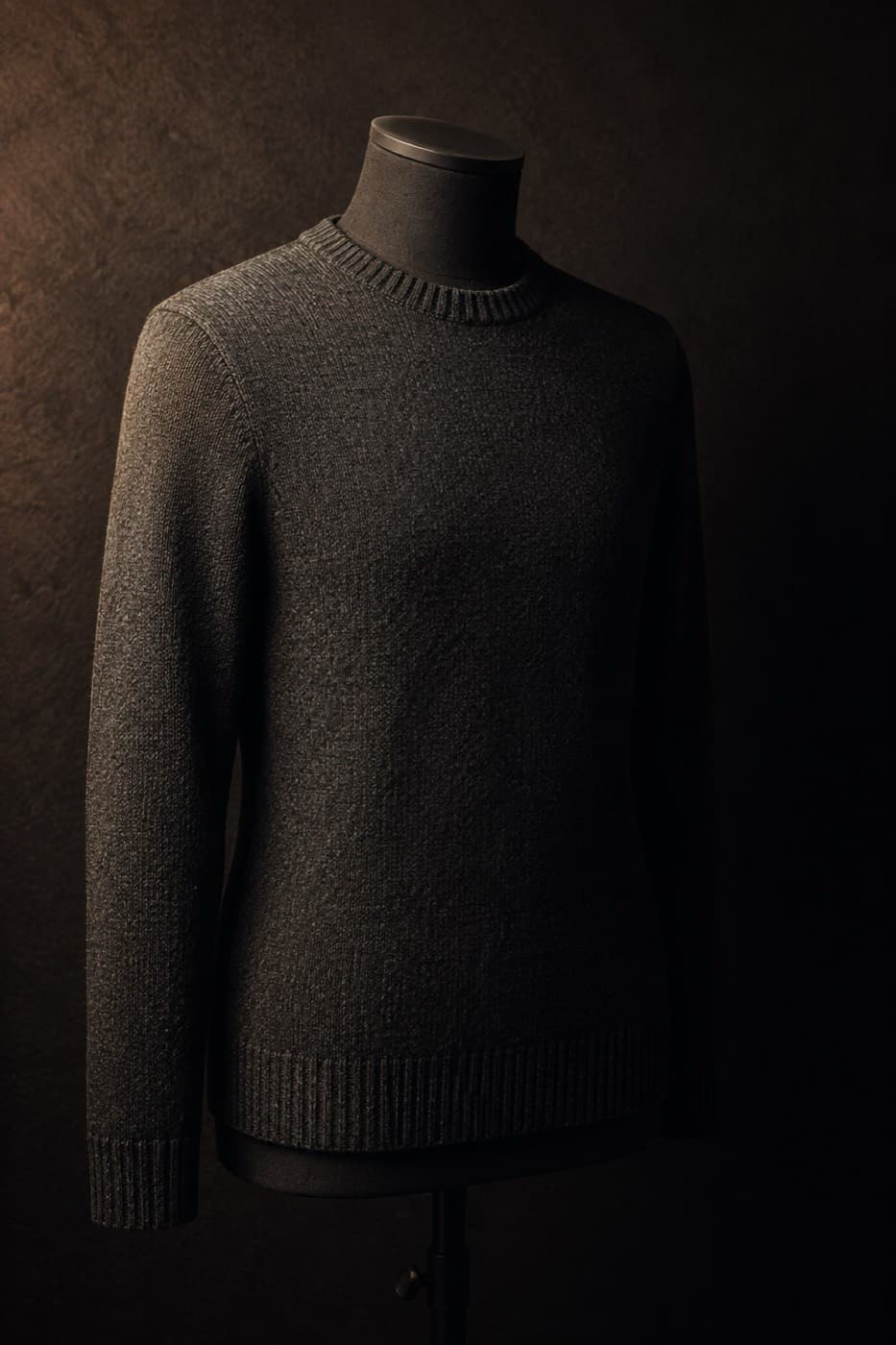
USD 74
Buys abrasion resistance, sells softness
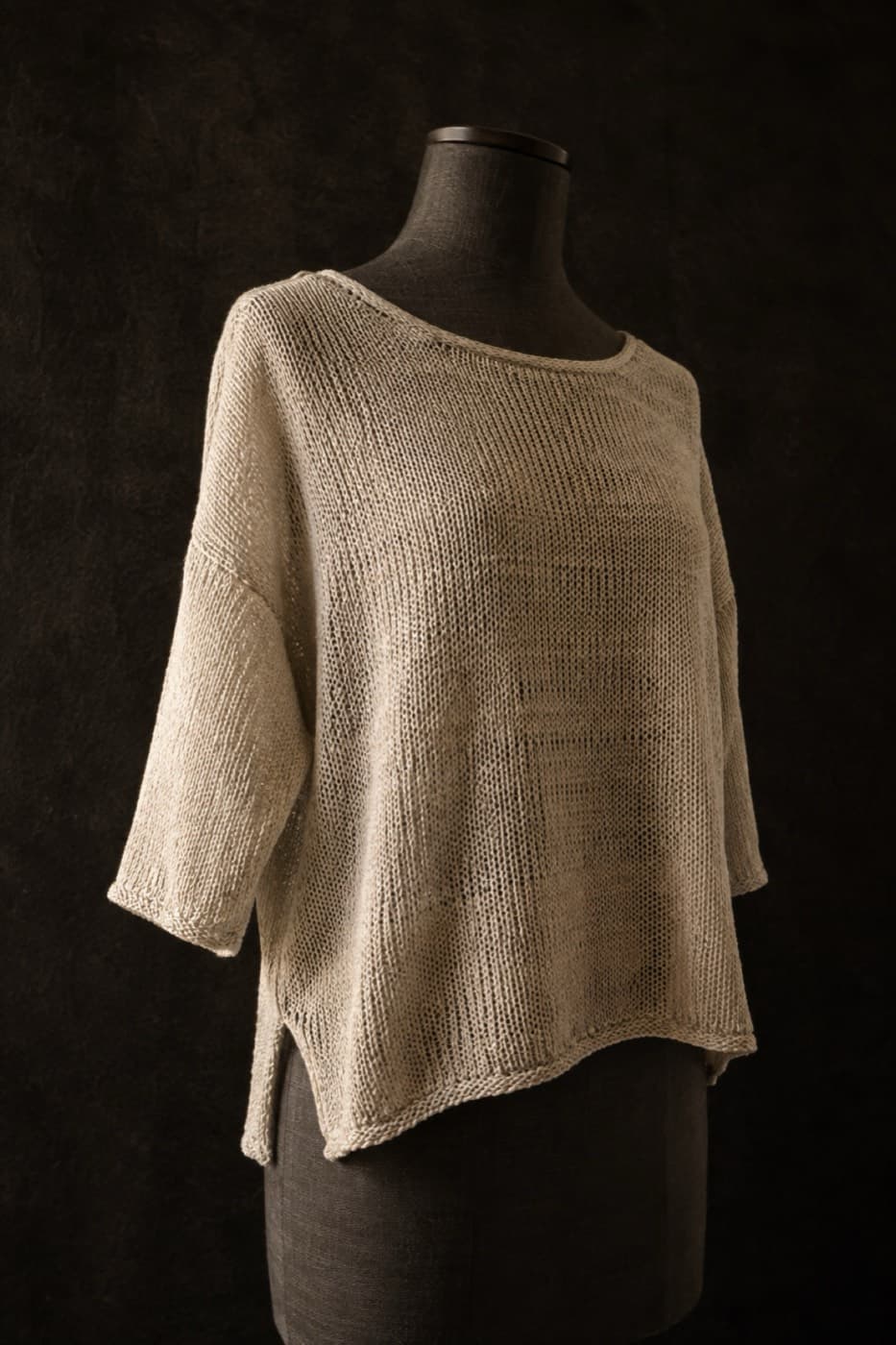
USD 96
A knit you can wear in July
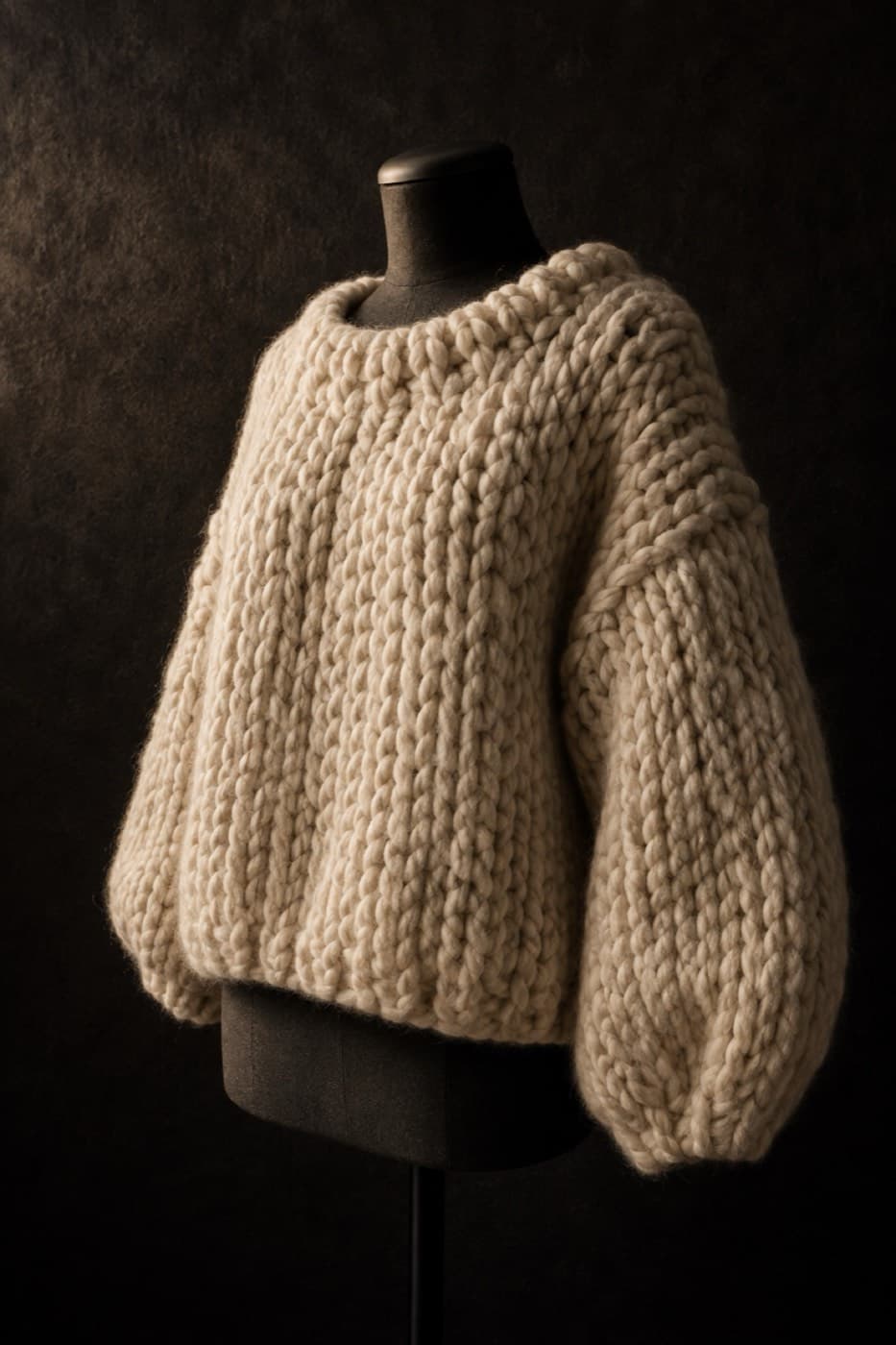
USD 186
The warmest wool piece we knit
Before you order
40 pieces are on sale. One is not — E-06 is held back because its recycled content has not been evidenced, and we will not describe it until it is.